
Glass Window Repair Estimation: The 5 Hidden Costs That Kill Project Profitability (2026 Guide)
When it comes to glass window repair, what looks like a straightforward $250 job can rapidly spiral. Hidden fees pile up faster than shattered safety glass on a tile floor. Industry data heading into 2026 reveals that unexpected project expenses routinely inflate initial budgets by 15% to 30%.
For construction estimators, these overlooked line items don’t just reduce margins but also completely kill project profitability. Whether you are pricing out a massive commercial contract or a routine house window repair, missing the invisible costs is a fatal error.
In this guide, you will learn exactly where estimates fall apart. We will break down the 5 specific hidden costs that destroy profit margins (and how to spot them). If you have ever wondered how to repair broken window glass without breaking the bank in the process, keep reading!
Glass Window Repair Cost Overview: Establishing the Baseline
Before we expose the hidden margin-killers, we need to establish the baseline. Initial quotes typically look clean. They cover the raw materials (the glass itself) and the direct labor required to pop out the old pane and set the new one. Most entry-level estimators stop here. That is a massive mistake.
To accurately estimate, you must first know the standard ranges for isolated tasks. When a frantic client searches for “glass window repair near me,” these are the numbers they expect to see.
Average Baseline Repair Costs (2026 Industry Standard)
| Repair Task | Typical Cost Range (Per Window) |
| Broken single-pane glass | $150 – $300 |
| Double-pane (foggy/blown seal) glass | $100 – $200 |
| Window seal/caulk replacement | $70 – $120 |
| Hardware (locks, cranks, handles) | $30 – $100 |
| Frame & minor structural repair | $150 – $500 |
As an estimator, you can usually peg base repair tasks securely within these ranges. A standard double-pane glass swap is predictable. The baseline is safe. The danger lies in what surrounds that glass.
Let’s transition to the real threats. Here is how base figures get hijacked by the environment, regulations, and unforeseen site conditions.
The 5 Hidden Costs That Kill Profitability
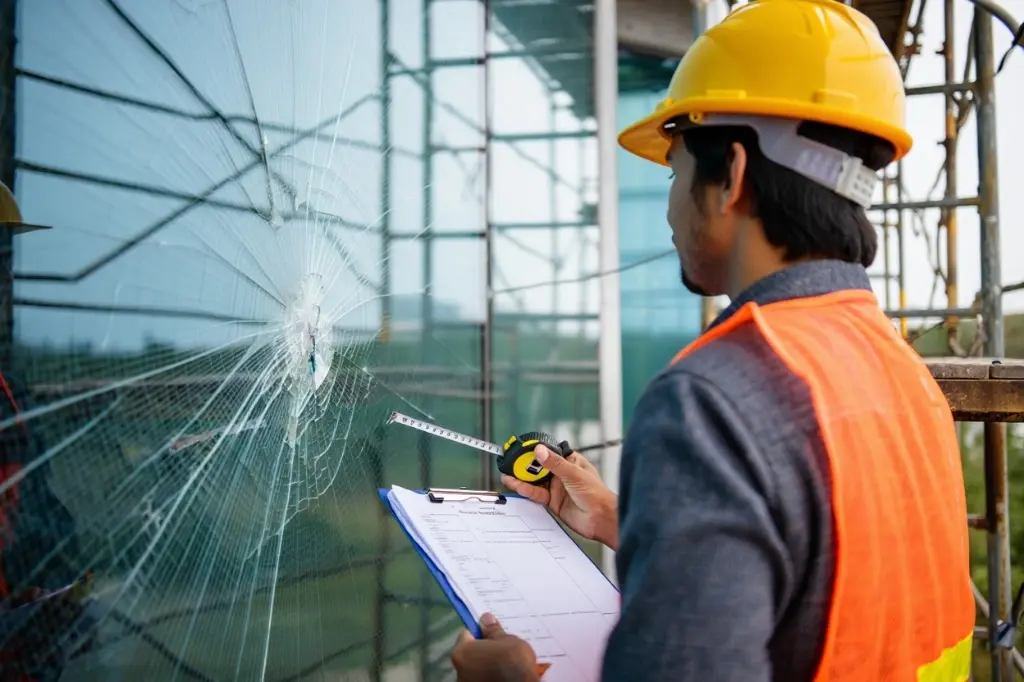
You quoted the glass. You quoted the labor. You applied your standard 20% markup. You still lost money. Why? Because beyond the pristine surface of a new pane of glass, construction sites harbor secrets. Here are the five hidden expenses that ambush repair projects.
1. Structural Damage Repair (The Invisible Rot)
You cannot mount pristine glass into a crumbling frame. It really is that simple. When a crew removes an old, leaking window, the true extent of the damage is finally exposed. What began as a standard house window repair instantly transforms into a carpentry project.
Why does it happen
Moisture is relentless. If a window seal failed years ago, water has likely been infiltrating the casing, the sill, and the underlying drywall. You are no longer just dealing with glass; you are dealing with dry rot, structural mold, and rusted commercial fasteners. Learn more about drywall repair cost in our latest guide [Drywall Repair Cost By Experts]
The Cost Impact
- The Hit: Repairing hidden frame damage easily adds $150 to $500 per window.
- The Scenario: Imagine peeling back the casing on a 1940s colonial home. The wood behind the sash is practically dust due to termite damage. Your crew is now stalled. You must halt the glass installation, cut out the rot, treat the area, and rebuild the sill.
| Estimation Pro-Tip |
| Never assume the framing is sound. If the glass broke due to foundational shifting or long-term weather exposure, explicitly add a contingency line item for “unforeseen structural remediation. |
2. Custom Sizing & Modifications (The “Non-Standard” Trap)
Nothing in the built environment is perfectly square. Estimators love standard sizes. They are easy to source and quick to price. But the reality on the ground is wildly different. Many properties (especially historical buildings or custom-built homes) feature eccentric architecture.
Why does it happen
Over decades, houses settle. Foundations shift. A window opening that was perfectly rectangular in 1995 is now a slight parallelogram. Furthermore, older buildings often feature dimensions that modern manufacturers abandoned thirty years ago. This applies heavily to commercial jobs, where building window repair often involves massive, custom-extruded aluminum frames.
The Cost Impact
- The Hit: Non-standard openings require custom glass cutting, reframing, or specialized trim work. Expect this to add roughly $50 to $200 per window.
- The Stat: Field data suggests nearly 20% of residential replacements require some level of custom resizing or structural shimming to meet modern energy efficiency standards.
Even a seemingly straightforward glass door repair can derail your timeline if the tracks have warped and require custom-milled replacements. If your quote assumes off-the-shelf sizing for a 70-year-old property, your profit margin will evaporate the moment the installation crew arrives.
3. Disposal & Cleanup Fees (The Aftermath Tax)
Removing broken glass is dangerous, heavy, and highly regulated. Yet, remarkably, cleanup is the most frequently omitted line item in amateur estimates.
Clients assume hauling away the debris is included. Landfills, however, do not take commercial construction waste for free.
Why does it happen
A broken window repair creates hazardous waste. When calculating the cost to replace windows, you are dealing with jagged shards, heavy dual-pane units, and rotting, nail-filled lumber. Worse, if the property was built before 1978, disturbing the old frame might trigger EPA Lead-Safe guidelines. You now have to pay for specialized containment, HEPA vacuuming, and hazardous waste disposal.
The Cost Impact:
- The Hit: Typical debris removal and standard hauling runs $40 to $80 per window.
- The Catch: If lead paint or asbestos window glazing is detected, abatement disposal fees can multiply that cost by four.
When writing your estimate for window glass repair, specifically detail the disposal protocol. “Removal and standard haul-away included” protects you from clients expecting a massive roll-off dumpster for free, while simultaneously justifying a higher upfront bid.
4. Permits & Code Compliance (The Bureaucratic Drain)
Local municipalities don’t care about your tight project deadline. They care about compliance. The quickest way to hemorrhage cash on a job is to get hit with a “Stop Work” order from a city inspector because you failed to pull the right permits.
Why does it happen
Building codes in 2026 are increasingly stringent, focusing heavily on climate resilience and energy efficiency. Swapping a single pane of glass might slide under the radar. However, tearing out a frame, altering the building envelope, or replacing multiple units almost always triggers a permit requirement.
Furthermore, if you are doing a house window repair in a designated historic district, the architectural review board might dictate exactly what type of glass, grid pattern, and material you are legally allowed to install.
The Cost Impact
- The Hit: Building permits for exterior window work typically cost $50 to $300, depending on your municipality.
- The Upgrade Tax: Upgrading to code-compliant ENERGY STAR windows (often legally mandated for deep retrofits) costs approximately 10% to 15% more upfront than standard builder-grade glass.
Do not absorb permit costs. Your estimate must clearly separate “Municipal Permitting & Inspection Fees” from labor and materials.
Get a precise repair estimate before hidden costs cut profits.
5. Add-Ons & Finishing Touches
The glass is in. The frame is secure. But the job is not done yet. Now comes the finishing phase, where profits suffer a slow “death by a thousand cuts.” In a standard window glass repair job, you must think far beyond the pane itself.
Why does it happen
Clients expect the finished product to look immaculate. They don’t want to see raw wood, unpainted trim, or missing insect screens. They expect the new window to seamlessly integrate with their existing interior decor and exterior siding.
Estimators often forget that installing a window requires destroying the immediate surrounding area.
The Cost Impact:
These seemingly minor details stack up aggressively. Consider the following common add-ons:
- Hardware Matching: Security locks, brass handles, or child-safety latches ($30+).
- Weatherproofing: High-end, commercial-grade silicone caulking and expanding foam insulation ($20+).
- Aesthetics: Interior trim replacement, wood staining, and touch-up painting to match the wall ($50+).
- Specialty Tints: UV-blocking films or privacy frosting ($40+).
- The Hit: Unplanned finishing touches can easily drain $25 to $150 per window.
When a client asks how to repair a glass window, they picture the final, beautiful result. Make sure your estimate explicitly lists exactly what finish work is included. If interior painting is excluded, put it in bold writing.
Minimizing Hidden Costs: A Blueprint for Bulletproof Estimating
Surprises ruin reputations. If you are a contractor, hitting a client with unexpected change orders destroys trust. If you are a property owner, an exploding budget drains your bank account.
You cannot control what hides behind the drywall, but you can control how you prepare for it. The difference between a profitable job and a financial disaster comes down to forensic estimation.
Here is exactly how to stop the financial bleeding and lock in your margins.
1. Demand a Detailed Inspection & Scope of Work
Drive-by estimates are a dangerous gamble. You cannot accurately price a window glass repair based on a blurry smartphone photo sent by the client. To catch issues early, you must perform an aggressive, on-site diagnostic.
Always request (or provide) a line-item estimate based on physical touch.
The Pre-Estimate Diagnostic Checklist:
- Moisture Meter Testing: Probe the interior sill and exterior casing. High moisture readings instantly indicate hidden rot, meaning structural repair is inevitable.
- Operation Check: Does the sash stick? Do the hinges grind? If so, you aren’t just replacing glass; you are repairing mechanical hardware.
- Squareness Audit: Use a laser level to check the rough opening. If the frame is out of plumb by more than a quarter inch, note that custom shimming or reframing will be required.
By identifying these red flags before the contract is signed, you transform a “hidden cost” into a transparent, justifiable line item. Besides these are no less than signs that you need a professional estimator.
2. Ask Explicitly About Inclusions and Exclusions
Ambiguity is the enemy of profitability. When reviewing a quote, what is missing is often more important than what is listed.
A sloppy estimate lumps everything into a single “Materials and Labor” figure. A professional estimate reads like an itemized receipt. You must confirm whether the peripheral tasks are covered.
Mandatory questions to ask before signing:
- Is the removal and legal disposal of the old glass included?
- Who is responsible for pulling municipal building permits, and are those municipal fees included in this total?
- Does this quote include interior trim replacement and finish painting?
If a contractor cannot hand you a document clearly listing inclusions and exclusions, walk away.
3. Plan for Contingencies (The 10–15% Buffer)
Even the most meticulous estimators cannot possess x-ray vision. Unforeseen site conditions are a reality of construction.
Industry veterans and leading installation guides strongly advise building an automatic contingency buffer into your budget. Never assume the best-case scenario. Instead, financially prepare for the worst.
The Contingency Breakdown:
For a standard repair job, automatically ring-fence 10% to 15% of the baseline estimate.
| Baseline Estimate | Contingency Buffer (15%) | Total Safe Budget | Potential Application of Buffer |
| $500 | $75 | $575 | Upgraded hinges, minor wood filler, caulking. |
| $1,500 | $225 | $1,725 | EPA lead disposal fees, custom glass cutting. |
| $4,500 | $675 | $5,175 | Expedited permit fees, structural framing fixes. |
If you do not end up needing the buffer, the client is thrilled by the savings, or you enjoy a massive boost to your project margin. If disaster strikes, the money is already allocated.
4. Vet and Choose Experienced Contractors
Your choice of vendor dictates your financial risk. Fly-by-night operators bait clients with artificially low initial quotes, fully intending to hammer them with upcharges once the old window is ripped out and the house is exposed to the elements.
When you search for “glass window repair near me,” do not simply click the cheapest option. Look for established companies with a track record of transparent pricing.
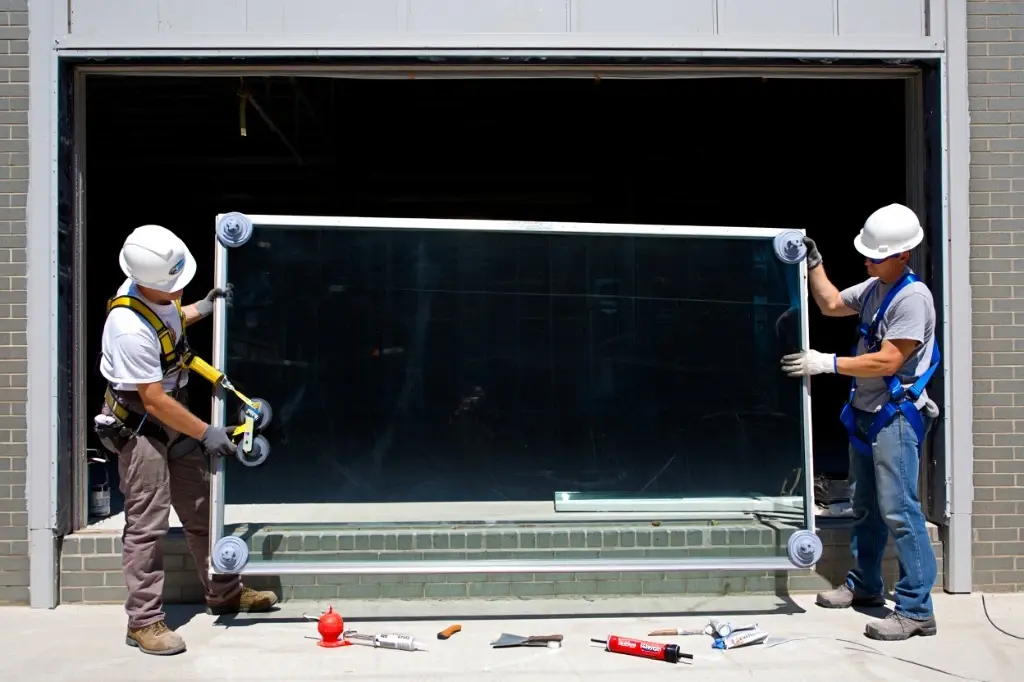
Leading industry authorities, like Taylors Windows, emphasize the importance of the “in-home inspection.” A reputable firm will send a qualified technician to measure, evaluate, and provide an all-inclusive quote. They own the risk. If they miscalculate the amount of caulking needed or underestimate the disposal weight, they absorb the loss, not you.
5. Leverage Local Factors and Code Knowledge
Construction is highly localized. What flies in a rural farmhouse will result in massive fines in a dense urban center.
Failing to understand your specific geographic requirements guarantees budget overruns.
- Climate Codes: Coastal areas often require high-impact, hurricane-rated glass. Upgrading to this specialized material shatters standard budget projections.
- Historic Districts: Working on a 19th-century facade? The local architectural board will dictate your materials.
- Energy Regulations: Many municipalities now strictly enforce energy-efficiency codes, legally mandating argon-filled, low-E glass for any residential replacement.
Before starting any house window repair, contact your local building department. Knowing the legal requirements ahead of time allows you to source the correct materials initially, avoiding the catastrophic cost of tearing out non-compliant glass and starting over.
Frequently Asked Questions
How do I find a reliable “glass window repair near me”?
Look for contractors offering itemized quotes, transparent pricing, and verifiable local references. Avoid companies refusing on-site inspections. A trustworthy professional will explicitly detail labor, materials, and disposal in their initial written estimate.
Can I do a “broken window repair” myself?
While DIY appeals to budget-conscious homeowners, handling jagged shards and heavy double-pane units poses severe safety risks. Furthermore, improper sealing compromises energy efficiency. Always hire a professional to guarantee code compliance and lasting, weather-tight results.
What’s the difference between repair and full replacement?
Repair targets specific failures (like swapping a shattered pane or replacing busted hardware) saving you considerable money. Full replacement involves ripping out the entire frame down to the rough opening, cost-effective only when structural integrity fails completely.
How to repair broken window glass?
First, wear heavy-duty gloves and eye protection to carefully clear shattered debris. Apply temporary weather-sealing tape if necessary. Then, immediately contact a certified specialist. They possess precision tools to safely extract glazing putty and install customized replacement glass.
Does glass door repair share the same hidden costs?
Absolutely. Sliding or French door repairs encounter identical issues, including specialized disposal fees, custom track sizing, and upgraded security hardware. Heavy tempered safety glass is legally required for doors, significantly elevating both baseline material costs and installation complexity.
How to repair glass window frames with minor rot?
Minor rot can sometimes be scraped out and filled with structural wood epoxy. However, this is merely a temporary patch. To completely stop moisture infiltration, professionals must remove the glass, rebuild the sill, and reapply commercial-grade silicone waterproofing.
Will building window repair disrupt my commercial business?
Commercial projects naturally cause noise and dust. However, experienced contractors mitigate downtime by scheduling off-hours work, utilizing robust debris containment systems, and tackling structural frame modifications zone by zone to ensure daily operations continue smoothly without major interruption.
Does house window repair increase property value?
Yes, targeted fixes drastically improve curb appeal and energy efficiency. While full replacements yield higher returns, repairing foggy thermal seals or swapping cracked panes immediately halts further structural degradation, protecting your property value before putting a home on the market.
Conclusion
Estimating a project requires far more than measuring the width and height of a cracked pane. As we look toward construction trends in 2026, the data is undeniable: project profitability is won or lost in the margins. The five hidden costs (structural damage, custom sizing, disposal fees, bureaucratic permits, and peripheral finishing touches) are not rare anomalies. They are standard hurdles in almost every job.
If you ignore them, they will quietly drain your budget and destroy your profit margins. If you anticipate them and get yourself a construction estimating services partner, you will save big bucks. Take control of the narrative before the glass is ever cut.
Protect your property, protect your profits, and never let hidden costs ambush your next window project again.